

- Headaches/Migraines
- Neck/Shoulder/Back pain
- Pelvic Instability and Pain
- Motor-Vehicle Accidents
- Sports-Related Injury
- Growing Pains in Children and Teenagers
- Scoliosis
- Disc Herniation
- Hip Pain
- Knee Pain
- Arthritis/Tendonitis
- Rotator Cuff Injury
- Golfer’s Elbow / Tennis Elbow
- Carpel Tunnel Syndrome
- Ankle Sprains
- Fibromyalgia
- Joint Stiffness and Dysfunction
- Sciatica
- Degenerative Joint Disease
- Stress and Tension
- Wellness Maintenance

Headaches/ Migraines
Nine out of ten Americans say that they suffer from headaches. Some of these people experience headaches frequently. Some experience constant headaches that are very painful. These can even make a person nauseous. Ninety-five percent of headaches are tension, migraine, or cluster headaches. These types of headaches are not caused from a disease, but from something in your body that is not sitting correctly.
Back Pain
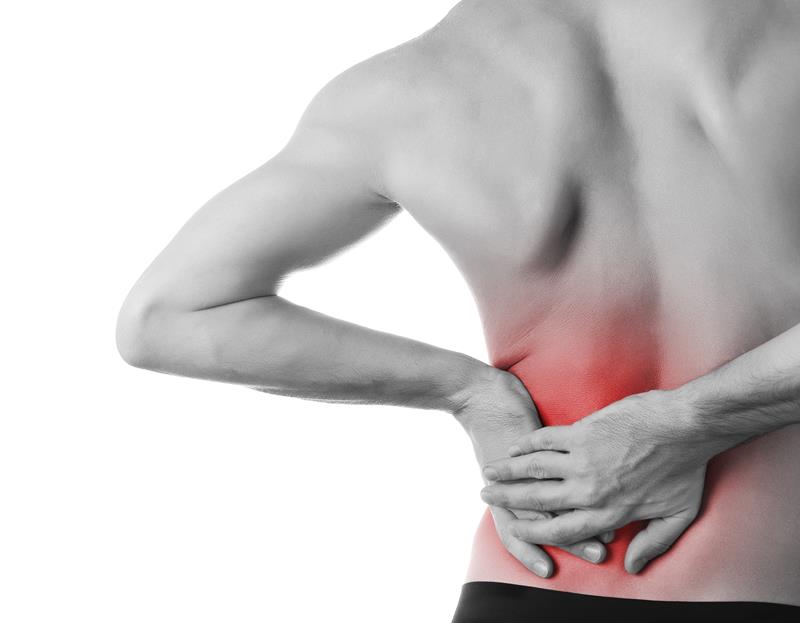
Since back pain is the leading cause of disability worldwide, it is vital to know how to prevent the cause of back pain. By maintaining a healthy diet and weight, remaining active and avoiding prolonged inactivity or bed rest are all important ways to avoid back pain. Before doing exercises or any physical activity, it is recommended to warm up and/or stretch.
Neck Pain
The neck, also called the cervical spine, begins at the base of the skull and contains seven small vertebrae. The cervical spine supports the full weight of your head which is on average about 12 pounds. While the cervical spine can move your head in nearly every direction, this flexibility makes the neck very susceptible to pain and injury.
Shoulder Pain
Shoulder pain is a very common condition and affects almost half of the U.S. Most patients feel some sort of pain, limited range of motion, an inability to engage in activities of daily living (ADL) or something more serious as a permanent disability.

Motor-Vehicle Accidents
Even a “minor” crash can result in serious injuries like ligament sprains. This can lead to chronic pain and disability if not treated properly. In fact, research shows that early treatment is the best way to prevent long-term symptoms. Chiropractic adjustments are effective because they help restore the healthy, normal function of your nervous system without the use of drugs or surgery.
Sports-Related Injury
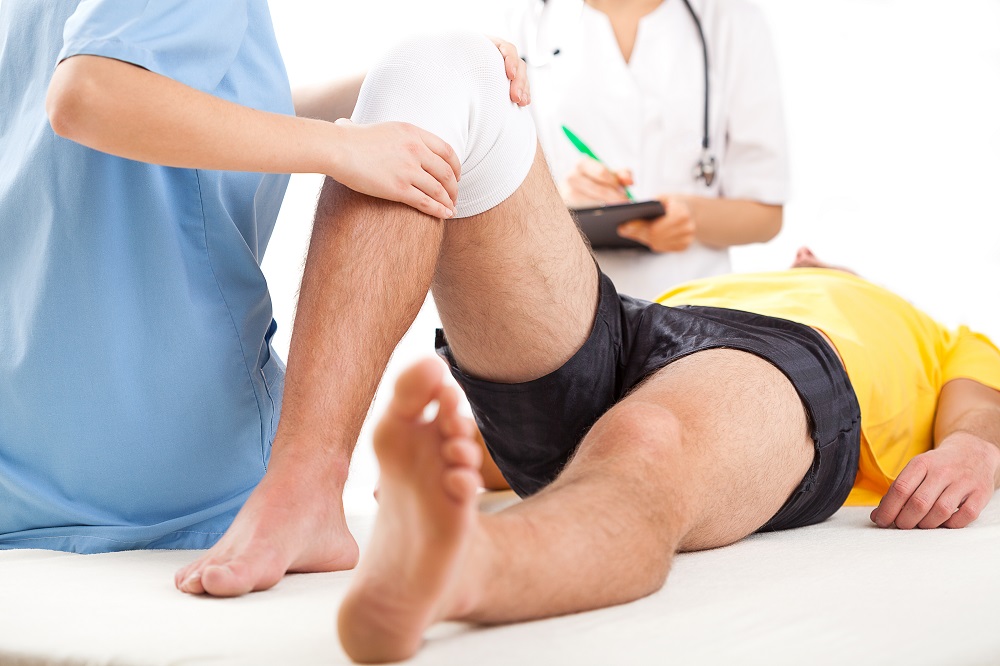
Sports can be very taxing on your body, no matter what you play. Our trusted staff will work with you to get to the root of your problem and help you feel better again. We help treat and also prevent injuries in the neck, back, shoulders, knees, and ankles. We are able to manually adjust your spine, relieving any pain that you are feeling. This will allow your body to function much better after the injury.
Scoliosis
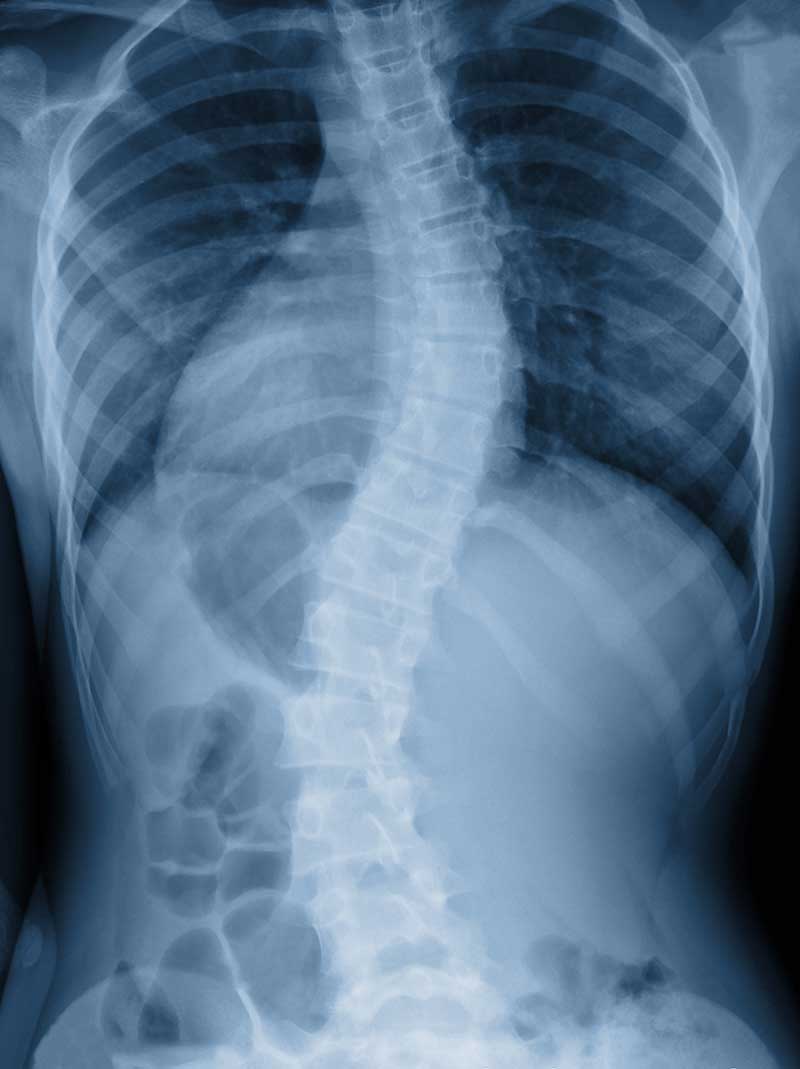
When detected early, scoliosis can be managed and treated to prevent the problem from getting worse. With scoliosis, the spine has abnormal curvatures to the side or even twists. Most cases of scoliosis appear for unknown reasons as scoliosis tends to develop before puberty in adolescence, in children who previously had no spine issues.
Many cases of scoliosis do not require surgery or extensive treatment, but if the curvature becomes more severe, medical intervention may be needed. Scoliosis appears equally in boys and girls, but typically girls are more likely to develop significant curvature that warrants treatment.

Disc Herniation
A herniated disc, also known as a slipped disc, is one of the most common conditions to affect the spine. While it can occur anywhere along your spine, it most frequently occurs in the neck or lower back. Discs are essentially small cushions that sit between each of the vertebrae in your spine. When a disc herniates or slips, the disc ruptures, allowing the nerve center to move and become pinched between the vertebrae.
You may have a herniated disc if you’re experiencing back pain, numbness or a tingling sensation in either of your arms or legs or even shooting pains when you make sudden movements, like coughing or sneezing.
Before our chiropractor can prescribe the best treatment, additional medical tests may be necessary to better diagnose the severity of your slipped disc. These tests can include x-rays, MRIs or cat scans, and are all non-invasive but will help our chiropractor to correctly identify and treat your disc herniation.
The majority of disc herniations do not require surgery, but our chiropractor may prescribe nonsurgical treatments such as bed rest, physical therapy, and even anti-inflammatory medications to help alleviate your pain. If you do require surgery, our chiropractor will discuss the different types of surgical options available to you and answer any questions you may have.
If you are experiencing any of these symptoms or think you may have a herniated disc, call us today at (201) 362-1989 - Englewood Cliffs Office or (201) 362-1989 - Livingston Office to request your appointment at Body Balance Chiropractic with our chiropractor.

Hip Pain
Here at Body Balance Chiropractic, we specialize in helping others find out what is causing their hip pain and correcting it so that they feel like themselves again, or even better than before! Our hips are such an important part of our body. They ensure that we stand up straight, control the entire bottom half of us, and allow us to walk, run, kick, and play.
In many cases, hip pain is simply caused by osteoarthritis, though it can also be a result of an injury.
We will put together a treatment plan to make sure that this happens. Depending on the severity of your condition, we may treat you by adjusting your hips though we also do exercise therapy, stretching, massage, and other solutions.
In a recent study, 60% of chiropractic patients had their symptoms improve so much that they no longer required surgery. That is our goal. If you do have osteoporosis, you will still benefit from chiropractic care to relieve your hip pain.
Knee Pain
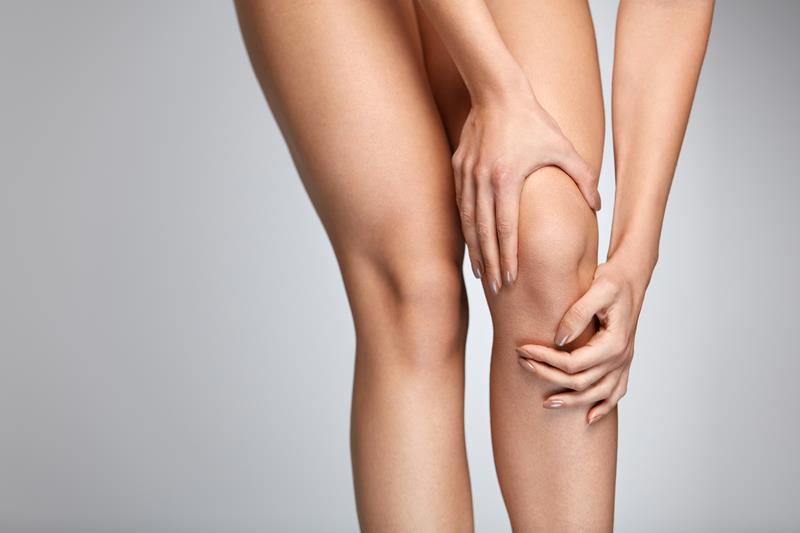
Knee pain is increasingly becoming a more common problem in society. It is a complaint we see frequently. The most common complaint associated with knee pain is considered the normal “wear and tear.” Another ailment that affects the knee is osteoarthritis. The symptoms and progression of osteoarthritis and knee pain can be reduced through our individualized approach to chiropractic care.

Arthritis/Tendonitis
Arthritis, or joint pain or joint disease, is the leading cause of disability in America. More than 50 million adults and 300,000 children are suffering from some type of arthritis. Common symptoms include swelling, pain, stiffness, and decreased range of motion. Severe arthritis can result in chronic pain, inability to perform normal day-to-day activities, and has the potential to cause permanent joint damage.
To determine whether or not you may be suffering from arthritis or to determine the severity, your medical professional will perform blood tests and conduct an imaging scan (ie: x-ray, CAT scan or MRI). Eating healthy, staying active, and understanding your type of arthritis and treatment options are crucial to decreasing your discomfort and paving the way for an enjoyable, happy life.

Golfer’s Elbow / Tennis Elbow
Also known as lateral epicondylitis, tennis elbow is an overuse and muscle strain injury in which the tendons in your elbow are overworked, causing severe pain and discomfort. The pain primarily occurs where your forearm muscle tendons attach to the bony bump on the outside of your elbow.
This painful condition is not exclusive to athletes and affects people frequently engaging in strenuous, repetitive wrist and arm motions such as home service professionals like carpenters, handymen, and painters. Tennis elbow can be identified through the presence of the following symptoms:
- Pain radiating from the outside of your elbow into your forearm and wrist
- Weakness in your hands and wrists
- Elbow or wrist stiffness
To treat your tennis elbow, our chiropractor may prescribe certain exercises or massages to alleviate the pain, to wear an elbow strap, refrain from strenuous activity, or take medicine such as ibuprofen, naproxen or aspirin, to help your body heal.
If you are experiencing the symptoms mentioned above or suffering from tennis elbow, call us today at (201) 362-1989 - Englewood Cliffs Office or (201) 362-1989 - Livingston Office to request your appointment at Body Balance Chiropractic with our chiropractor.
Request an Appointment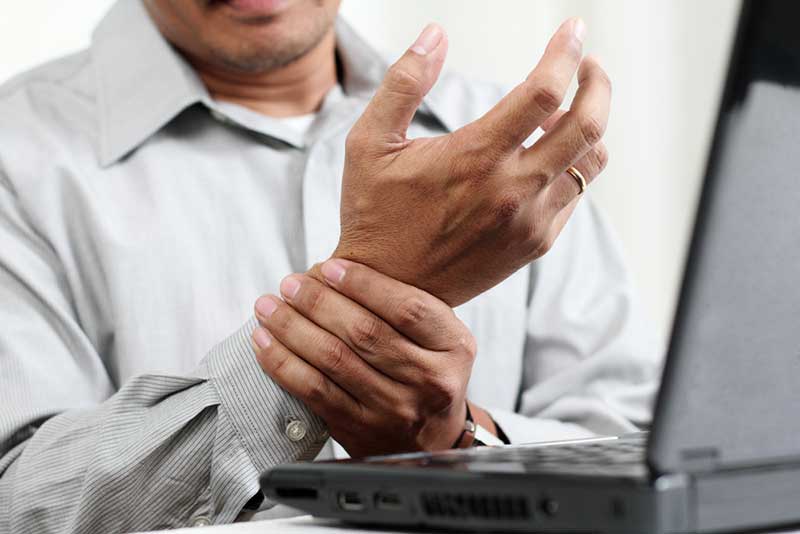
Carpal Tunnel Syndrome
CTS is a problem of the median nerve which runs from the forearm into the hand. When there is excessive pressure in the wrist, it causes swelling of the median nerve. This small area called the carpal tunnel is a narrow tunnel at the wrist made up of bones, soft tissues, nerves, tendons, ligaments and blood vessels. When the median nerve which runs through this tunnel gets compressed it causes pain, weakness, numbness or tingling in the hand and wrist which radiates into the forearm. The carpal tunnel is the most common area that gets compressed in both the hands and feet.
CTS should be diagnosed and treated early. During your consultation, you will receive a standard physical examination of the hands, arms, shoulders and neck to help determine if your symptoms are related to daily activities or to an underlying disorder. Our highly skilled chiropractor will also utilize other orthopedic tests to try to produce the symptoms of carpal tunnel syndrome. Laboratory tests and x-rays can reveal diabetes, arthritis, fractures, and other common causes of wrist and hand pain.
Joint Stiffness and Dysfunction
What is the cause of joint pain?
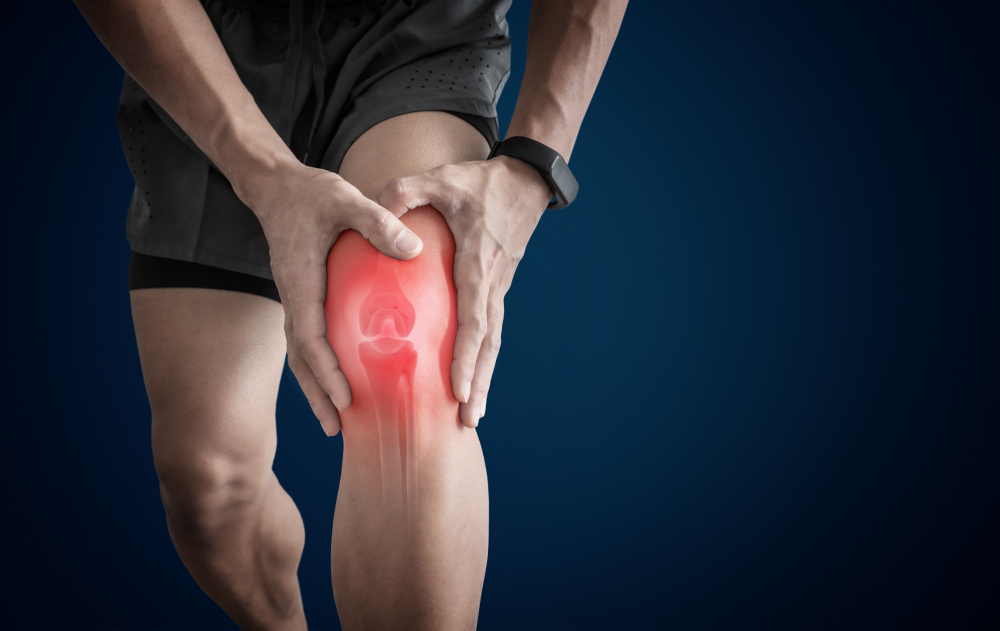
Acute joint pain is typically the result of an injury or direct trauma while chronic joint pain can be caused by rheumatoid arthritis or osteoarthritis. Chronic joint pain can also develop as a result of an underlying medical condition such as dislocation, infection, osteoporosis, cancer, or fibromyalgia.
When should I seek medical care?
Joint pain can occur in any joint of the body, but most patients who experience joint pain do so in the knees, hips, shoulders, or spine. Persistent and severe pain that prohibits your ability to complete everyday tasks should be evaluated by a doctor as soon as possible. If you notice redness, joint deformity, swelling, or reduced range of motion, please contact our office to schedule an appointment.
If over-the-counter medications prove unable to relieve your pain, we may then proceed with other treatments such as prescription medications, epidural steroid injections, or nerve blocks.
Strengthening the muscles surrounding the joint is important to healing and preventing future flare ups, so we may recommend at-home exercises or physical therapy as well.

Sciatica
Sciatica is characterized by pain in the lower back that radiates down one or both legs. The pain is described as dull, achy, sharp, like “pins and needles” or similar to electric shocks. Other symptoms associated with sciatica include burning, numbness and tingling sensations. Sciatic nerve pain varies in intensity from mild to severe, and frequency may range from occasional to constant. The onset is generally gradual and not necessarily associated with a previous event. Sciatica is also known as radiating or referred pain, neuropathy, or neuralgia.